Bloody Hell Embroidery Design: A Pro Review
As an embroidery designer who has spent years digitizing files for small businesses, I approach every new machine embroidery design with a critical eye. It is not just about whether the art looks good on a screen; it is about how it performs on fabric, how it holds up in the wash, and how it elevates a brand. Recently, I evaluated the Bloody Hell Embroidery Design, and I want to share my professional assessment for shop owners, apparel decorators, and handmade brands considering this asset for their next commercial project.
First Impressions and Visual Personality
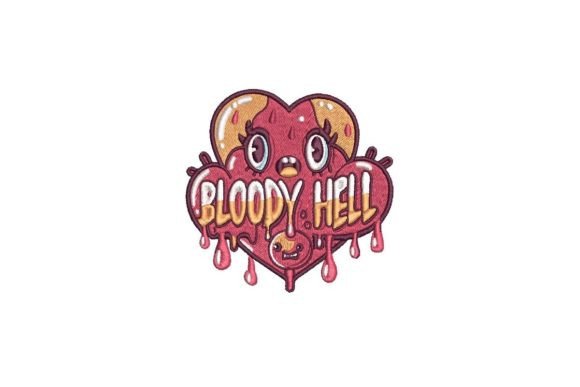
The title alone suggests a bold, edgy aesthetic. When diving into the details, the description promises an "edgy and unique" vibe, which immediately sets expectations. This is not a delicate, floral motif meant for subtle elegance. Instead, the Bloody Hell Embroidery Design leans into a playful yet assertive personality. For brands that want to stand out, this visual attitude is a powerful tool. It feels modern and slightly rebellious, making it an excellent fit for creative studios, boutique coffee shops, or indie retail spaces that prioritize character over corporate stiffness.
The design is categorized under Inspirational, which is interesting given the phrasing. In a business context, "inspirational" often means motivating or mood-setting. Here, it likely serves as a conversation starter or a statement of authenticity. The availability in four sizes, ranging from 2.5 inches to 3.9 inches wide, indicates versatility. However, the constraint of being perfect for a 4x4 hoop means we are working within a compact footprint. This requires precise digitizing to ensure clarity without excessive stitch density that could puckering lightweight fabrics.
Real-World Business Applications
For small business owners, the utility of a digital embroidery file is measured by its adaptability. I tested the concept of the Bloody Hell Embroidery Design across several common merchandise categories. Here is how it performs in real-world scenarios:
- Embroidered Patches: This is arguably the strongest use case. A 3.9-inch width is ideal for a standard patch. You can create iron-on or velcro-backed patches for jackets, backpacks, or laptop bags. The edgy nature of the design appeals to customers looking for unique accessories rather than generic logos.
- Staff Uniforms and Aprons: Imagine a trendy bakery or a craft brewery. Placing this design on the chest pocket of a denim apron adds immediate personality. It signals to customers that the staff is approachable and fun. However, ensure the thread colors contrast well against dark uniform fabrics.
- Cap Embroidery: While the design fits a 4x4 hoop, cap fronts are curved and limited in space. The smaller 2.5-inch version would be necessary here. Care must be taken to ensure the text remains legible on the curved surface of a baseball cap.
- Tote Bag Design: Canvas tote bags are a staple for Etsy sellers and boutique merch. The design works well as a central focal point. Because canvas is sturdy, it handles the stitch density better than thin cotton, resulting in a crisp finished product.
Technical Considerations for Production
Before running a full production batch, there are technical factors every embroiderer must address. The description notes the design is available in four sizes, but it does not specify the exact stitch count or file formats included. As a professional, I advise you to check these details before purchase. High stitch counts in a small area can lead to fabric distortion, especially on stretchy materials.
Stabilizer choice is critical. For a design of this nature, which likely contains bold lines or filled areas, a medium-weight cut-away stabilizer is recommended for garments that will be washed frequently. If you are using it on a woven tote bag, a tear-away might suffice, but test it first. Always consider the fabric texture. Rough textures like heavy canvas may hide fine details, while smooth polycotton blends will show every stitch. If the design has intricate outlines, ensure your machine tension is calibrated to prevent thread breaks or looping.
Another key factor is thread colors. The edgy theme suggests high contrast. Black thread on white fabric is classic, but consider deep reds or navy blues for a more nuanced look. Avoid low-contrast combinations that make the design disappear from a distance. Remember, this is often used for brand identity, so consistency in color application across different products is vital for customer recognition.
Brand Identity and Customer Trust
Using a distinctive design like Bloody Hell Embroidery Design can significantly impact brand identity. In a saturated market, generic logos fail to engage. An edgy, memorable design creates an emotional connection. It tells the customer that the brand has a voice. For handmade product sellers, this adds perceived value. A simple t-shirt becomes a statement piece; a plain mug tote becomes a collector's item.
However, professionalism is key. Ensure the embroidery is clean. Loose threads or misaligned hoops undermine trust. Use this design to enhance your custom apparel line, but always pair it with high-quality blanks. A premium design on a cheap garment sends mixed signals. For small business merch, consistency builds loyalty. If you use this design on patches, consider using the same color palette on your packaging or social media graphics to create a cohesive visual experience.
Practical Designer Notes for Implementation
To get the best results from this embroidery file, follow these practical steps:
- Test on Scrap Fabric: Never run a new design directly on client goods. Stitch it out on the same material you plan to use for production. Check for puckering or registration issues.
- Create a Printable Mockup: Before stitching, use software to place the design on a digital image of your product. This helps clients visualize the finished product and approve the placement.
- Check Commercial Licensing: Confirm that the license allows for commercial use. Most digital embroidery files do, but it is essential to verify this to protect your business legally.
- Evaluate Small Sizes: If using the 2.5-inch version, zoom in on the preview. Ensure that any text or fine details are not too dense to stitch cleanly. Simplify if necessary by adjusting density settings in your editing software.
- Compare with Other Assets: Place this design beside your existing logo or other design assets. Does it complement your brand’s visual language, or does it clash? Consistency strengthens brand recall.
In conclusion, the Bloody Hell Embroidery Design is a versatile tool for businesses looking to inject personality into their merchandise. Whether used for apron embroidery, branded patches, or unique tote bags, it offers a bold statement that resonates with modern consumers. By paying attention to technical details like stabilizer choice and thread contrast, you can ensure a high-quality result that enhances your brand’s professional image. Always verify the specific file specifications and licensing terms to ensure a smooth production process for your next commercial embroidery project.