Foam Finger 1 Applique Embroidery: A Designer’s Review
As an embroidery designer who has spent years refining digitizing techniques for boutique apparel, I approach every new machine embroidery design with a critical eye. It is not just about whether the file runs; it is about how the final product feels in the hand and looks on the shelf. Recently, I tested the Foam Finger 1 Applique Embroidery design for a limited-run sweatshirt collection intended for a small online shop. The goal was to create a piece of custom apparel that felt premium yet playful, bridging the gap between serious sports fandom and cozy lifestyle wear. Here is my professional evaluation of how this design performs in a real-world production environment.
First Impressions and Design Personality
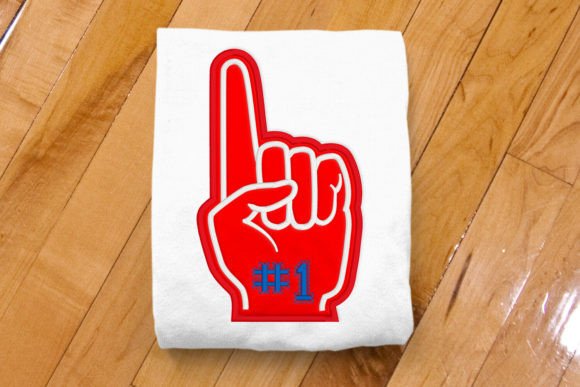
The initial visual impact of the Foam Finger 1 Applique Embroidery is bold and unmistakable. The layout features a classic foam finger shape with a prominent “1” at the bottom, instantly communicating pride and team spirit. From a design perspective, the applique technique is a smart choice for this motif. It allows for large areas of color without the excessive stitch count that can make a garment stiff or heavy. This contributes to a finished product that remains soft and wearable, which is crucial for sweatshirt embroidery where comfort is paramount.
The mood of the design leans heavily into the playful and casual spectrum. It is not minimal or rustic; rather, it is decorative and energetic. For a boutique brand targeting fans who want to show off their pride without wearing a generic jersey, this design hits the sweet spot. It feels cute enough for pastel colors but bold enough to stand out on dark fabric. The stitching personality appears clean, with the satin stitch borders providing a crisp definition against the fabric fill of the applique material.
Versatility Across Fabric and Colorways
One of the strongest assets of this embroidery file is its adaptability. During my test run, I placed the design on several different bases to gauge its versatility. On neutral sweatshirts, such as heather grey or oatmeal, the design pops when using high-contrast thread colors like royal blue or crimson. The neutral background allows the shape to take center stage, making it an ideal choice for lifestyle product photography where the focus is on the aesthetic rather than just the team logo.
When applied to dark fabric, such as navy or black hoodies, the design requires careful selection of bright, vibrant applique fabrics. A white or neon yellow fabric cut for the finger ensures readability from a distance. I also tested it on oversized hoodies, where the larger scale of the garment balances the boldness of the graphic. For cozy seasonal apparel, pairing this design with soft fleece creates a tactile contrast that enhances the perceived value of the handmade product. Whether you are aiming for a feminine look with pink tones or a bold statement with primary colors, the design holds its structure well.
Placement Strategies for Maximum Impact
For Etsy sellers and small shop owners, placement is key to differentiating your small shop product from mass-produced items. The Foam Finger 1 Applique Embroidery works exceptionally well for hoodie chest placement, where it serves as a focal point without overwhelming the wearer. However, do not limit yourself to the front. I found that scaling the design down for sleeve accents adds a unique, custom touch that buyers love. It transforms a standard hoodie into a piece of curated fashion.
For back designs, using one of the larger included sizes can create a striking statement piece. This is particularly effective for commercial embroidery projects aimed at local sports teams or fan clubs. When creating printable mockup previews for your online listings, ensure you showcase these varied placements. Showing the design on the sleeve or back helps customers visualize the versatility, increasing customer engagement and trust in your brand identity.
Technical Considerations for Production
From a technical standpoint, there are several factors to monitor to ensure a professional finish. First, consider the stitch density of the border stitches. While applique reduces overall density, the satin edges must be tight enough to secure the fabric but not so dense that they cause puckering on thinner materials. Always use a appropriate stabilizer; for sweatshirts, a cut-away stabilizer is recommended to support the weight of the applique and prevent distortion after washing.
Fabric texture plays a significant role in the final outcome. On plush fleece, the applique fabric may sink slightly, so choosing a slightly thicker cut for the finger can help it stand out. Regarding hoop size, ensure your machine can accommodate the largest size included in the package. The product description notes that 5 sizes are included, which is excellent for scalability. However, always check the smallest size for readability. If the “1” becomes too small, it may lose its impact, so test stitch-outs on scrap fabric before committing to production runs.
Washing durability is another critical concern for custom apparel. The applique method, when stitched correctly with a secure border, holds up well to repeated washing. However, remind your customers to wash inside out to protect the edges. This attention to care instructions builds buyer trust and reinforces the quality of your finished product.
Enhancing Brand Value and Identity
Incorporating the Foam Finger 1 Applique Embroidery into your catalog can significantly affect product value. It moves beyond simple merchandise into the realm of creative expression. For a digital embroidery file user, this design offers a quick turnaround time compared to complex full-coverage embroidery, allowing for faster fulfillment of orders. This efficiency is vital for creative entrepreneurs managing inventory and deadlines.
The design aids in visual recognition. When customers see that distinct foam finger shape, they associate it with your brand’s playful and proud aesthetic. This consistency strengthens brand identity. Furthermore, the inclusion of multiple formats—DST, EXP, HUS, JEF, PEC, PES, VP—ensures compatibility with most major embroidery machines, making it accessible for a wide range of design assets users. This broad compatibility reduces technical barriers, allowing more makers to produce high-quality goods.
Ultimately, this design is a strong contender for any Sports themed collection. It balances the enthusiasm of fandom with the sophistication of boutique design. By paying attention to thread contrast, stabilizer choice, and strategic placement, you can elevate this simple concept into a high-demand item. Whether you are an Etsy seller looking for your next bestseller or a decorator expanding your Embroidery offerings, this file provides the flexibility and charm needed to succeed in today’s competitive market. Always verify the specific hoop requirements and license terms provided in the zip file before starting your next production batch to ensure a smooth and profitable experience.