Harper Name Embroidery Design: A Designer’s Practical Review
As a designer who has spent countless hours digitizing and testing machine embroidery design files, I approach every new asset with a critical eye. It is not enough for a design to look pretty on a screen; it must perform under the needle. Recently, I evaluated the Harper Name Embroidery Design to determine its viability for real-world projects. This is not just a digital file; it is a potential cornerstone for personalized products. My goal was to assess how this specific name design holds up in practical applications, from custom apparel to boutique home goods.
First Impressions and Visual Personality
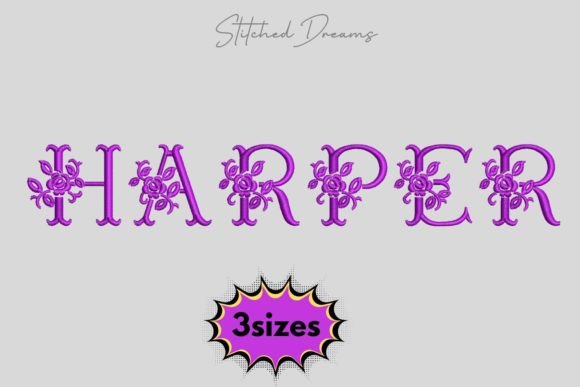
The first thing that strikes you about the Harper Name Embroidery Design is its balanced aesthetic. The name “Harper” is rendered in a stylish and elegant script that avoids the common pitfalls of overly complex cursive fonts. In the world of Embroidery, legibility is paramount. Many decorative fonts sacrifice readability for flair, resulting in tangled threads and confused customers. This design, however, maintains clear letterforms while retaining a sophisticated mood.
The layout feels organic, suggesting a flow that mimics natural handwriting. For designers working within the Friends category or creating gifts for close connections, this visual personality is ideal. It feels warm and inviting without being childish. The detail level is moderate, which is a significant advantage. It suggests that the digitizer considered stitch paths carefully, likely utilizing a mix of satin stitch for smooth curves and potentially running stitch for finer details to prevent bulk.
Real-World Application: The Custom Tote Test
To truly understand the value of an embroidery file, you must imagine it stitched out. I visualized using the Harper Name Embroidery Design on a heavy canvas tote bag. This is a staple item for any Etsy seller or craft business. On canvas, the design needs enough density to cover the weave but not so much that it causes puckering.
In this scenario, the design’s structure shines. The strokes appear substantial enough to stand out against textured fabric. If I were producing this as a handmade product for a local market, I would pair it with a contrasting thread color to maximize visibility. The design does not rely on tiny, fragile elements that might get lost in the fabric texture. This makes it a reliable choice for tote bag design projects where durability and visual impact are equally important.
Apparel and Soft Goods Considerations
Moving beyond accessories, I considered the design for custom apparel, specifically a fleece sweatshirt. Sweatshirt embroidery presents unique challenges due to the stretch and pile of the fabric. The Harper Name Embroidery Design seems well-suited for this application because the letter spacing appears generous. Tight kerning can cause threads to merge on plush fabrics, but this design’s open structure allows the fabric to breathe.
For baby embroidery projects, such as a onesie or burp cloth, the softness of the design is a major asset. Parents often prefer gentle, flowing scripts for infant items. However, one must be cautious with stitch density on thin baby knits. While the design looks appropriate, I would recommend testing it on scrap fabric first to ensure the stabilizer provides enough support without making the garment stiff.
Navigating Technical Challenges
No design is universal, and honest review requires discussing limitations. Where should you use the Harper Name Embroidery Design carefully? First, consider small hoop sizes. If you are working with a 4x4 inch hoop, ensure the scaled-down version retains its clarity. Tiny lettering can become illegible if the design is reduced too far.
Additionally, be mindful of curved surfaces like caps. Embroidering on a cap requires precise positioning. The flowing nature of the script means that distortion could occur if the fabric is not stabilized correctly. Using a strong cut-away stabilizer is essential here. Also, on dark fabrics, ensure your thread colors provide sufficient contrast. A low-contrast combination might make the elegant details disappear, reducing the perceived value of the finished product.
Commercial Viability and Brand Consistency
For small shop product lines, consistency is key. The Harper Name Embroidery Design offers a professional look that builds customer trust. When buyers see clean, well-executed stitching, they perceive higher quality. This design supports that perception. It is versatile enough to fit into various niches, from holiday embroidery gifts to everyday personalized gift items.
If you are a digital embroidery file seller, this design could serve as a strong addition to your catalog. It appeals to makers who want a ready-to-stitch solution for names. However, always confirm licensing terms. Before selling finished items or including this in a bundle, verify whether the license allows for commercial use. This step is crucial for maintaining professionalism and avoiding legal issues.
Practical Designer Notes
Before launching into production, follow these practical steps:
- Test on Scrap Fabric: Always stitch a sample on the same material you intend to use for the final product. This reveals any tension issues or registration errors.
- Check Thread Contrast: Use a printable mockup or physical thread swatches to ensure the design pops against your chosen fabric background.
- Review Stitch Density: If the design feels too dense for lightweight fabric, consider adjusting your machine settings or using a lighter weight thread.
- Confirm Hoop Size: Ensure the design fits comfortably within your hoop, leaving adequate margin for stability.
- Inspect Small Details: Zoom in on the digital preview to check for any potential jump stitches or tricky corners that might require manual trimming.
Final Verdict on Harper Name Embroidery Design
The Harper Name Embroidery Design is a solid choice for designers and makers who prioritize clarity and elegance. It performs well across a range of materials, from sturdy canvas to soft fleece, provided proper stabilization techniques are used. Its visual appeal enhances the perceived value of commercial embroidery projects, making it a worthwhile asset for your design assets library.
Whether you are creating a custom embroidered patch, a set of kitchen towels, or a boutique clothing line, this design offers the versatility needed for diverse applications. It respects the technical constraints of machine embroidery while delivering a stylish result. For those looking to elevate their embroidery project outcomes, this design deserves a spot in your workflow. Just remember to test, stabilize, and stitch with confidence.