Review: Cat with a Butterfly Machine Embroidery
As a designer who has spent countless hours hooping, stitching, and unpicking, I approach every new machine embroidery design with a mix of curiosity and caution. We have all been there: you download a file that looks adorable on the screen, only to find it turns into a bird’s nest of thread breaks and puckering on actual fabric. Today, I am taking a close look at the Cat with a Butterfly Machine Embroidery to see if it holds up under the needle for real-world projects.
First Impressions and Visual Mood
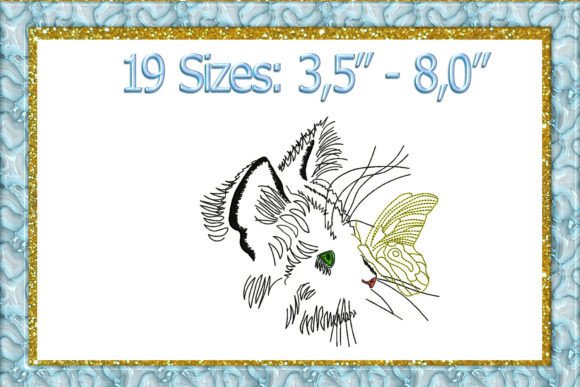
The initial appeal of this design lies in its charming simplicity. The motif features a feline companion interacting gently with a butterfly, creating a whimsical and lighthearted mood. From a layout perspective, the composition feels balanced. The curve of the cat’s body likely provides a natural flow that guides the eye, while the butterfly adds a delicate accent without overwhelming the primary subject. This visual personality makes it an excellent candidate for projects that require a touch of warmth and playfulness.
For those of us selling handmade products, aesthetic consistency is key. This design does not scream for attention with excessive complexity; instead, it offers a quiet confidence. It fits seamlessly into categories like nursery decor, casual apparel, and home textiles. When I visualize this stitched out, I imagine it working beautifully as a focal point on a neutral background, where the thread colors can pop without competing with busy patterns.
Real-World Application: The Tote Bag Test
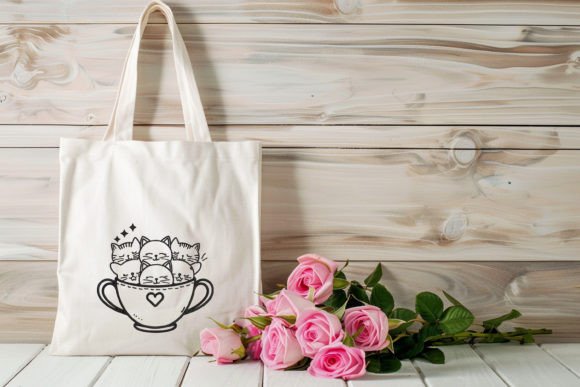
To truly evaluate an embroidery file, you have to think beyond the digital preview. Let’s consider a common scenario for many Etsy sellers and craft business owners: creating a custom tote bag. Canvas or heavy cotton twill is a popular choice for these items because it is durable and holds stitches well.
In this context, the Cat with a Butterfly Machine Embroidery shines. The design’s scale appears appropriate for the center panel of a standard tote. If the design utilizes a mix of satin stitch for the butterfly wings and fill stitch for the cat’s body, it will create nice textural contrast against the woven fabric. Customers often look for unique details in personalized gifts, and this motif offers enough character to make a mass-produced bag feel bespoke. However, if the design relies heavily on tiny, intricate details, one must be cautious about how they translate on textured surfaces like canvas.
Versatility Across Product Lines
Beyond tote bags, this design shows promise for custom apparel. Imagine it placed on the left chest of a sweatshirt or centered on a baby onesie. For baby embroidery, softness is paramount. If the back of the stitching is too dense or scratchy, it will not be suitable for infant skin. Therefore, checking the stitch density and ensuring proper use of a soft cut-away stabilizer is crucial before offering it as a finished product.
It also works well for home goods. On a cushion cover or a kitchen towel, the whimsical nature of the cat and butterfly adds a cozy, lived-in feel. For holiday embroidery or seasonal gifts, you can easily adapt the thread palette. Spring pastels for Easter, warm oranges and blacks for Halloween, or classic neutrals for year-round appeal. This flexibility increases the commercial value of the design for small shop owners who need to maximize their inventory with minimal effort.
Technical Considerations and Stitching Reality
While the aesthetic is strong, we must address the technical side. The product description notes that the file includes nine formats, such as PES for Brother machines, Deco, and Bab. This wide compatibility is a significant advantage for designers using various hardware. However, format conversion can sometimes alter stitch paths. Always test the specific format your machine reads best.
One critical area to watch is the stitch density. If the cat’s fur is rendered with extremely tight fills, it may cause puckering on thinner fabrics like t-shirt jersey. In such cases, using a high-quality tear-away stabilizer and possibly reducing the density in your software (if editable) might be necessary. Conversely, on thick fabrics like denim or fleece, ensure the needle is sharp enough to penetrate without breaking threads.
Dark fabrics present another challenge. If the design relies on light thread colors for the butterfly, visibility might be an issue unless the underlying fabric is pre-treated or if the design includes a backing layer. Always run a test stitch on scrap fabric identical to your final material. Check for thread breaks, registration issues, and overall clarity. A printable mockup can help visualize placement, but nothing replaces a physical test stitch.
Commercial Use and Brand Consistency
For digital embroidery file sellers and those creating design assets, understanding licensing is vital. Before selling finished items or including this in a commercial line, confirm the license terms provided by the creator. Assuming commercial use is permitted, this design can enhance brand consistency for shops specializing in pet lovers or whimsical home decor.
Buyer engagement often hinges on perceived quality. A clean, well-digitized embroidery project builds trust. If the Cat with a Butterfly Machine Embroidery stitches out cleanly with minimal jumps and tidy trims, it reflects professionalism. On the other hand, messy backs or loose threads can detract from the perceived value of a small shop product. Take time to inspect the finished piece. Trim any stray threads and press the item carefully to ensure the finished product looks polished.
Where to Use Caution
Not every surface is ideal. Avoid using this design on highly stretchy fabrics without adequate stabilization, as the shape may distort after washing. Curved surfaces like caps require careful hooping to prevent shifting. Additionally, if the design includes very fine lines or tiny text elements (though none are mentioned here), they may not survive frequent washing or rough handling. Always consider the end-user’s lifestyle. A decorative pillow will face less wear than a child’s daily-wear t-shirt.
Final Verdict for Designers
The Cat with a Butterfly Machine Embroidery is a solid addition to a designer’s library, particularly for those focusing on gifts, nursery items, and casual accessories. Its charm lies in its approachable style and versatility across different fabric textures. By paying attention to stabilizer choice, thread contrast, and hoop size, you can ensure high-quality results that resonate with customers. Whether you are creating a tote bag design for a local market or an embroidered patch for an online store, this motif offers the right balance of detail and simplicity to succeed in today’s handmade marketplace.