Review: Elegant Crown Embroidery Design Letter E
As a designer who has spent countless hours hooping fabric, troubleshooting thread breaks, and refining digital assets for client work, I approach every new machine embroidery design with a critical eye. It is not enough for a file to look pretty on a screen; it must perform under the needle. Recently, I evaluated the Elegant Crown Embroidery Design Letter E to determine its viability for real-world applications, from boutique apparel to personalized home goods. This review breaks down the aesthetic appeal, technical performance, and commercial potential of this specific embroidery file.
First Impressions and Aesthetic Mood
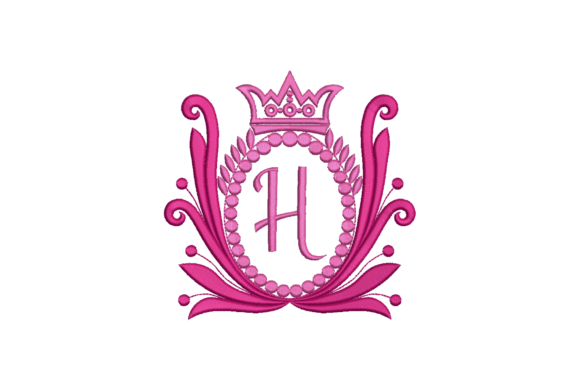
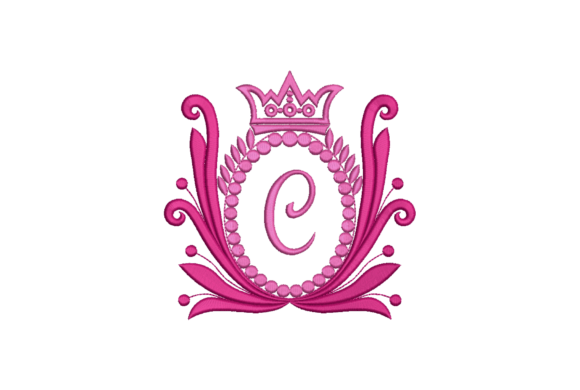
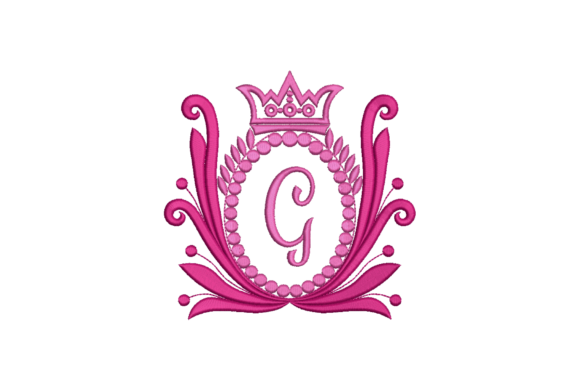
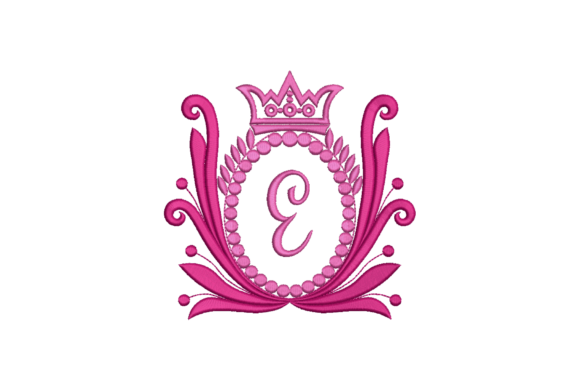
The immediate visual impact of the Elegant Crown Embroidery Design Letter E is one of refined sophistication. The integration of the regal crown motif with the serif letterform creates a balanced composition that feels both traditional and modern. For designers working in the Wedding Monogram niche, this balance is crucial. The design avoids excessive clutter, relying instead on clean lines and well-defined shapes to convey luxury.
The mood created by this piece is distinctly upscale. It suggests heritage and quality, making it an ideal candidate for projects where perceived value matters. When I first loaded the preview, I noted the clear hierarchy between the letter and the crown. The crown sits comfortably atop the letter without overwhelming it, ensuring that the monogram remains legible even at smaller scales. This visual personality fits naturally into categories requiring a touch of formality, such as bridal accessories or high-end nursery decor.
Real-World Application Scenarios
To truly test a design, you must imagine it stitched out. I visualized the Elegant Crown Embroidery Design Letter E on several common substrates to gauge its versatility. My primary test case was a custom canvas tote bag. The bold lines of the crown and the sturdy structure of the letter E would hold up well against the textured weave of canvas, providing a striking contrast that elevates a simple bag into a handmade product worthy of a higher price point.
Beyond totes, I considered sweatshirt embroidery. Placed on the left chest of a premium fleece hoodie, this design offers a subtle yet recognizable brand mark or personal initial. The density appears sufficient to cover the fabric texture without sinking in, provided the correct stabilizer is used. For baby embroidery projects, such as a receiving blanket or a christening gown, the elegance of the crown adds a sentimental heirloom quality. However, in these delicate applications, scale becomes the most critical factor.
For Etsy sellers and small shop owners, this design serves as a versatile asset. It can be marketed as part of a full alphabet set or sold as a standalone motif for personalized gift items. The visual clarity ensures that it photographs well for printable mockup previews, which is essential for converting browsers into buyers in the digital marketplace.
Technical Performance and Stitching Considerations
While the aesthetic is strong, the technical execution determines whether a design is a joy to stitch or a nightmare to troubleshoot. Based on the visual structure, the Elegant Crown Embroidery Design Letter E likely utilizes a combination of satin stitch for the finer details of the crown and fill stitch for the body of the letter. This hybrid approach is standard for maintaining definition while ensuring durability.
One area requiring careful attention is stitch density. Crown motifs often feature intricate points and curves. If the density is too high, it can cause puckering on lightweight fabrics like cotton voile or silk. Conversely, if the density is too low, the underlying fabric may show through, especially when using lighter thread colors. I recommend running a test stitch on scrap fabric that matches your final project material. This allows you to adjust tension and stabilizer type before committing to the final embroidery project.
The design comes in DST, PES, and other formats, which covers most major machine brands. However, always verify that the file version matches your machine’s software capabilities. For those using older machines, converting the file may alter stitch paths, so checking the original format compatibility is a prudent step.
Fabric and Hoop Constraints
Not every surface is suitable for this level of detail. While the design performs well on stable mediums like denim, twill, and canvas, it requires caution on stretchy or textured fabrics. On a knit t-shirt, improper stabilization could lead to distortion of the crown’s sharp points. Similarly, on highly textured towels, the finer details of the crown might get lost in the pile.
Hoop size is another constraint. Although the exact dimensions are not specified in the product description, monogram designs typically range from 2x2 to 4x4 inches. If you intend to use this on a curved surface like a cap, ensure the design fits within the cap frame’s usable area. Small hoop sizes may require scaling down, which could compromise the legibility of the crown’s intricate elements. Always inspect the design at 100% zoom to identify any tiny connecting stitches that might break during production.
Commercial Viability and Brand Value
For craft business owners, the perceived value of a finished product is directly linked to the quality of the design. The Elegant Crown Embroidery Design Letter E exudes professionalism. Using such a polished asset helps build customer trust and brand consistency. When clients see a crisp, well-defined monogram, they associate it with quality craftsmanship.
This design is particularly effective for commercial embroidery projects targeting the wedding industry. Bridal parties often seek cohesive, elegant branding for robes, tote bags, and keepsakes. The crown motif aligns perfectly with this demographic’s expectations. Furthermore, for digital embroidery file sellers, offering a design that is both visually appealing and technically sound can lead to positive reviews and repeat customers.
Practical Designer Notes
- Test Before Production: Always stitch a sample on the actual fabric and with the intended thread colors. Check for thread breaks in the crown’s peaks.
- Contrast Matters: Use high-contrast thread colors for the first test to clearly see stitch formation. Then, switch to your final palette.
- Stabilizer Selection: Use a cut-away stabilizer for stretchy fabrics and a tear-away for stable wovens. Consider a top stabilizer for plush fabrics to prevent sinking.
- License Verification: Before selling items made with this design, confirm the licensing terms. Ensure it allows for commercial use if you plan to sell physical goods.
- Mockup Testing: Create black and white mockups to ensure the design holds its shape without color reliance. This helps identify any weak structural areas.
In conclusion, the Elegant Crown Embroidery Design Letter E is a robust choice for designers seeking to add a touch of regality to their work. With proper preparation and attention to fabric constraints, it can elevate a wide range of products from simple tote bag design concepts to sophisticated holiday embroidery gifts. It is a tool that, when used wisely, enhances both the aesthetic and commercial value of your creative output.