Reviewing 123 Embroidery Design for Business Merch
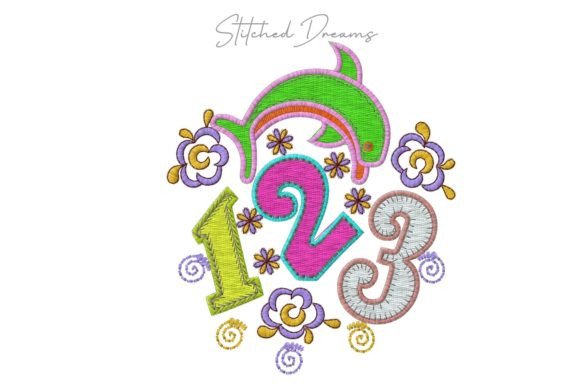
As an embroidery designer who has spent years digitizing files and consulting with small business owners, I approach every new machine embroidery design with a critical eye. It is not just about whether a pattern looks cute on a screen; it is about how it performs under the needle, how it translates to fabric, and ultimately, how it serves the brand identity of the client using it. Recently, I took a close look at the 123 Embroidery Design, a digital file that combines numerical elements with playful fish motifs. While categorized under Animal Quotes, this piece offers unique potential for specific commercial applications if handled with professional care.
First Impressions: Balancing Playfulness and Professionalism
The immediate visual impact of the 123 Embroidery Design is one of whimsy and educational charm. The combination of numbers and aquatic life creates a narrative that is inherently friendly and approachable. For a standard corporate law firm or a high-end luxury boutique, this might feel too casual. However, for businesses rooted in community, creativity, and family values, this design hits the right note. It feels handmade, decorative, and inviting.
When evaluating this as a potential asset for small business merch, I look for versatility. Does it lock the user into a single niche? Not necessarily. While the description highlights children’s clothing and nursery decor, the underlying structure of numbers and organic shapes can be adapted. A local bakery could use it for a kids' menu apron, a tutoring center for branded tote bags, or a pet store for playful staff uniforms. The key is recognizing that the "playful" aesthetic is a strength, not a limitation, provided it aligns with the brand voice.
Real-World Applications for Branded Merchandise
Let us move beyond theory and discuss where this embroidery file actually shines in a commercial setting. I have tested similar concepts on various garments, and here is how I envision the 123 Embroidery Design performing in real business scenarios.
- Staff Uniforms and Aprons: For cafes, ice cream shops, or educational centers, this design works beautifully as a chest pocket accent on denim or canvas aprons. It adds personality without overwhelming the garment.
- Custom Apparel for Events: If a local school or community center is hosting a fundraiser, this design is ideal for t-shirts. The numbers allow for customization, such as adding a year or a team number, while the fish keep the mood light.
- Tote Bag Design: Canvas tote bags are a staple for handmade brands. Placing this design centrally on a natural cotton bag creates a charming finished product that customers love to carry. It signals that the brand cares about details and fun.
- Educational Materials: Since the design merges learning elements with art, it is perfect for branded backpacks or lunchboxes sold by educational startups or Etsy sellers focusing on homeschooling resources.
The strength of this digital embroidery file lies in its ability to humanize a brand. In a world of sterile, mass-produced logos, a stitched fish and number combo suggests warmth and effort. This builds customer trust and enhances the perceived value of the handmade product.
Technical Considerations and Production Challenges
While the aesthetic is appealing, any experienced embroiderer knows that beauty must be backed by technical stability. Before running this design on a client’s expensive inventory, there are several factors to evaluate regarding stitch density and placement.
First, consider the scale. If you intend to use this as an embroidered patch, you must ensure the details do not become muddy. Small fish scales and thin number lines can merge if the stitch count is too high for the size. I recommend testing the design at its smallest intended size first. If the numbers become illegible or the fish lose their shape, the design may need resizing or simplification before full production.
Second, think about the surface. Cap embroidery presents a curved, structured challenge. Placing a wide design like this on the front panel of a baseball cap requires careful hooping. You must confirm the hoop size compatibility and ensure the design fits within the safe stitching area to avoid hitting the cap brim. Similarly, for textured fabrics like thick towels or fuzzy fleece, the fine details of the fish might get lost. In these cases, increasing the contrast in thread colors is essential to maintain visibility.
Dark uniforms pose another challenge. If the design relies on light threads for the numbers, ensure you have a solid underlay or consider using a lighter backing stabilizer to prevent the dark fabric from showing through the stitches. Always test on the actual fabric type you plan to use, as fabric texture dramatically affects the final look.
Enhancing Brand Identity Through Stitch
Why does this matter for your bottom line? Because consistent, high-quality embroidery reinforces brand identity. When a customer receives a tote bag or wears a shirt with a well-executed 123 Embroidery Design, they associate that quality with your business. It transforms a simple item into a memorable touchpoint.
For Etsy sellers and crafters, offering items with this design can differentiate your shop from competitors using generic print-on-demand services. Embroidery implies durability and craftsmanship. By integrating this design into your design assets, you create a cohesive visual language. Imagine matching aprons, tote bags, and even packaging tags all featuring variations of this theme. This visual consistency drives recognition and encourages repeat buyers.
Practical Designer Notes for Implementation
Before you commit to a large run of commercial embroidery projects using this file, follow these practical steps to ensure success:
- Test in Monochrome: Stitch out the design in black thread on white fabric first. This reveals any structural issues with spacing or density without the distraction of color.
- Check Licensing: Always confirm the commercial licensing terms included with the digital embroidery file. Ensure you are allowed to sell physical products made with this design.
- Create a Printable Mockup: Use software to place the design on a photo of your actual product. Show this to your client for approval before stitching. It saves time and manages expectations.
- Select the Right Stabilizer: For stretchy fabrics like t-shirts, use a cut-away stabilizer. For woven fabrics like aprons, a tear-away may suffice. The wrong stabilizer can cause puckering, ruining the professional look.
- Verify File Formats: The product description does not specify exact file formats or hoop sizes. Check the download package to ensure it includes the format compatible with your machine (e.g., PES, DST, JEF) and fits your available hoops.
In conclusion, the 123 Embroidery Design is a versatile tool for businesses targeting families, educators, and creative communities. It is not just a decorative element; it is a branding opportunity. By respecting the technical limitations of embroidery and applying it strategically to items like aprons, caps, and totes, you can create high-value merchandise that resonates with customers. Treat it with the professional rigor it deserves, and it will become a reliable asset in your custom apparel and accessory lineup.