Tiger Mascot Embroidery Design: A Seasonal Review
As an embroidery designer who spends countless hours digitizing and testing patterns for the seasonal rush, I approach every new machine embroidery design with a critical eye. It is not just about whether the stitches look good on my screen; it is about how that design will perform in the hands of a busy Etsy seller or a crafter preparing for holiday markets. Recently, I reviewed the Tiger Mascot Embroidery Design, specifically the "It’s a Tiger Thing" sports quote variation, to determine its viability for upcoming seasonal collections. This review focuses on practical application, marketability, and technical execution for those looking to expand their Sewing and Embroidery product lines.
First Impressions: Mood and Market Fit
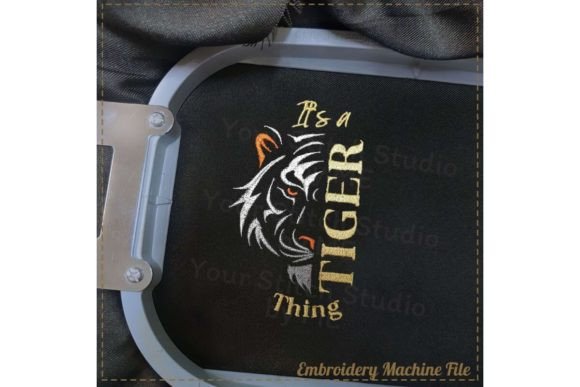
The first thing that strikes you about this digital embroidery file is its bold, energetic personality. Unlike delicate floral motifs often used for spring or romantic holidays, this tiger mascot exudes confidence and team spirit. The emotional tone is playful yet fierce, making it an excellent candidate for back-to-school seasons, sports championships, and family reunion gifts. While it may not scream "cozy winter holiday" in the traditional sense, it fits perfectly into the niche of spirited gift-giving that dominates the fall and early winter months.
The decorative style is modern and graphic. The lines are clean, suggesting a design that will stitch out clearly without excessive bulk. For small shop product creators, this clarity is vital. Customers scrolling through online listings need to recognize the subject immediately. The "It’s a Tiger Thing" quote adds a layer of exclusivity and community belonging, which is a powerful driver for personalized gift sales. It feels less like a generic animal image and more like a badge of honor for fans, families, or alumni groups.
Strategic Product Applications for the Season
When planning a seasonal shop collection, versatility is key. I tested the potential of this design across various substrates to see where it shines brightest. Here is how I envision using this embroidery file in a real-world retail scenario:
- Sweatshirt Embroidery: This is the most obvious and profitable application. Placing the tiger mascot on the left chest of a high-quality hoodie creates a premium look. For the holidays, offer matching sets for families or sports teams. The bold nature of the design holds up well against thick fleece fabrics.
- Tote Bag Design: Canvas tote bags are perennial bestsellers. This design works beautifully as a central focal point. It appeals to students and shoppers looking for durable, stylish accessories. Use contrasting thread colors to make the tiger pop against natural or dark canvas.
- Kitchen Towel Embroidery: For a unique twist, consider smaller versions of the design on flour sack towels. These make excellent hostess gifts or stocking stuffers. Ensure the stitch count is low enough to prevent puckering on thin cotton.
- Pillow Cover and Home Decor: A tiger motif can add a rustic or modern accent to living spaces. Embroider this onto denim or heavy linen pillow covers. It serves as a great conversation piece and aligns with the trend of maximalist home decor.
- Embroidered Patch: If your machine allows, creating iron-on patches is a fantastic way to utilize this design. Patches are low-commitment purchases for customers and can be applied to jackets, hats, and backpacks, extending the product's lifespan and utility.
Technical Considerations and Stitch Performance
While the aesthetic appeal is strong, the technical execution determines customer satisfaction. As a designer, I always advise checking the specific details provided with the Tiger Mascot Embroidery Design. Since the product description notes that it comes with multiple embroidery file formats, you must select the correct format for your machine to ensure optimal performance.
Stitch density is a critical factor here. Mascot designs often require satin stitches for smooth curves and fill stitches for larger areas. If the density is too high, the fabric may pucker, especially on stretchy garments like t-shirts. Always use a proper stabilizer. For knit fabrics, a cut-away stabilizer is recommended to support the weight of the embroidery over time. For woven fabrics like tote bags or kitchen towels, a tear-away may suffice, but test thoroughly.
Pay close attention to the hoop size requirements. If the design is large, ensure your machine can accommodate it. If you are scaling the design down for smaller items like baby bibs or ornaments, be wary of losing detail. Tiny lettering in the "It’s a Tiger Thing" quote may become illegible if reduced too much. Always stitch a test sample on scrap fabric of the same type and weight as your final product.
Navigating Challenges in Production
There are scenarios where this design requires careful handling. Dark fabrics can be tricky if the design relies on light thread colors. You may need to use a underlay stitch or choose high-sheen threads like rayon or polyester to ensure visibility. Metallic threads can add a festive touch for holiday editions but are prone to breaking; reduce machine speed and use a needle designed for metallics.
Additionally, consider the fabric texture. Thick towels or plush fleece can swallow small details. If the tiger’s facial features are intricate, they might get lost in deep pile fabrics. In such cases, opt for smoother materials like twill or dense cotton. For curved surfaces like caps, ensure the design is digitized with cap-specific compensation to prevent distortion.
Boosting Seasonal Appeal and Sales
From a marketing perspective, the Tiger Mascot Embroidery Design offers significant advantages. It taps into the emotional connection people have with teams, schools, and family identities. During the holiday shopping period, buyers are looking for gifts that feel personal and meaningful. A custom embroidered sweatshirt with this mascot tells a story of pride and belonging.
To maximize engagement, create realistic mockups. Show the design on a variety of products in lifestyle settings. A printable mockup can help visualize the design on different colored garments before committing to production. Highlight the versatility in your Etsy listings by showing the same design on a tote, a shirt, and a pillow. This demonstrates value and inspires customers to buy multiple items.
Remember to verify commercial licensing terms. The product description states it can be sewn on items for sale, but always confirm the specific limits regarding mass production versus handmade small batch sales. Building trust with your customers involves transparency about the quality and origin of your designs.
Final Verdict for Crafters and Sellers
The Tiger Mascot Embroidery Design is a robust addition to any seasonal catalog. It bridges the gap between sports enthusiasm and gift-worthy craftsmanship. Its bold aesthetic ensures high visual recognition, while its versatility allows for creative product expansion beyond standard apparel. By paying attention to technical details like stabilizer choice and thread selection, you can produce high-quality finished product items that delight customers and drive repeat business. Whether you are decorating home decor items or creating personalized apparel, this design offers the professional polish needed to stand out in a crowded marketplace.